.png)


Newborn Hearing Screening
Hearing plays a vital role in a child’s overall development, from communication and learning to social and emotional growth. Hearing development starts in the womb and shapes a child’s ability to listen, learn, and communicate. It forms the foundation for speech, language, learning, and social interaction. Regular hearing check-ups ensure that any hearing issues are detected and managed early, paving the way for normal speech and language growth.
Newborn Hearing Screening
Newborn hearing screening is a quick and painless test done soon after birth to check whether a baby has hearing loss. Early detection is crucial for speech, language, and cognitive development.
Why It’s Important?
Hearing is vital for speech and language development.
Early detection allows timely intervention (hearing aids, cochlear implants, therapy).
Undiagnosed hearing loss can delay language, learning, and social skills.
When It’s Done?
Usually done before hospital discharge, or within the first month of life.
Methods Used
Otoacoustic Emissions (OAE):
Small ear probe plays sounds.
Measures “echo” from the inner ear (cochlea).
Quick (1–2 minutes per ear).
Auditory Brainstem Response (ABR):
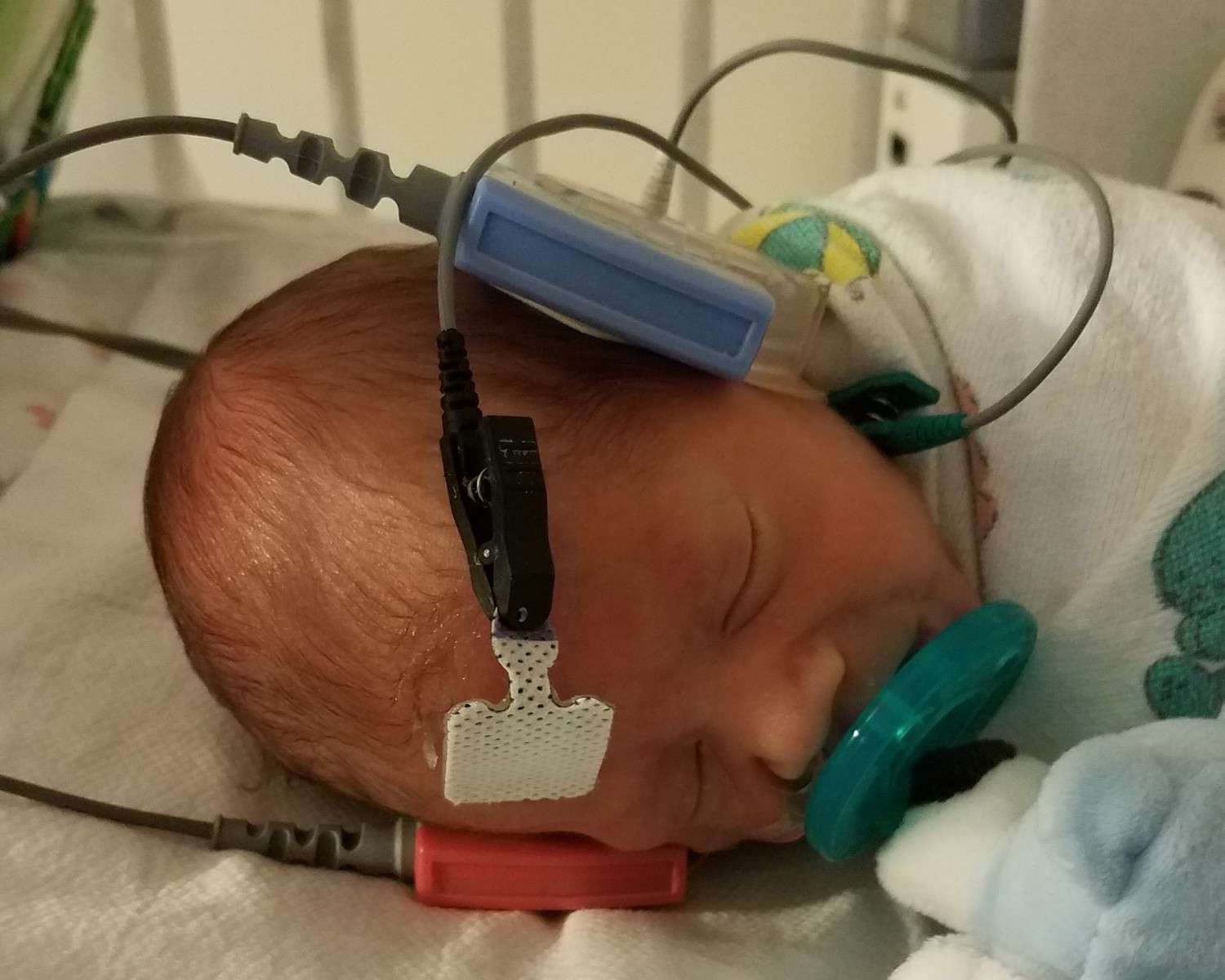
Small electrodes on the baby’s head measure brain’s response to sound.
Often used if OAE result is “refer” (did not pass).
Possible Results
PASS: Normal hearing likely.
REFER: Needs further testing (may be due to fluid, noise, or true hearing issue).
If Baby Doesn’t Pass
- Repeat screening within a few weeks.
- If still REFER, schedule a diagnostic audiological evaluation by 3 months.
- Begin intervention (if needed) by 6 months of age — as per UNHS guidelines (Universal Newborn Hearing Screening).
Key Points for Parents
- Screening is safe and does not hurt.
- Risk factors (NICU stay, family history, infections) may need periodic re-screening.